 Stylez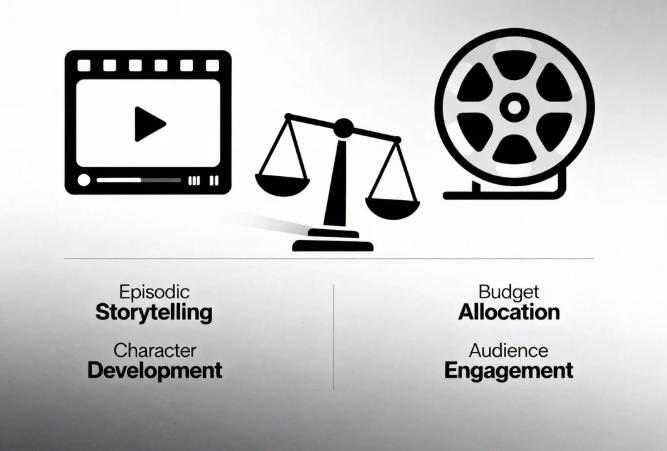
For much of the 20th century, movies were widely regarded as the supreme form of visual storytelling. They were the artistic pinnacle—the place where groundbreaking imagery, ambitious narratives, and larger-than-life performances came together to create unforgettable cultural moments. In contrast, television was often dismissed as shallow, formulaic, and limited by the constraints of broadcast schedules and advertising demands.
Yet the landscape of entertainment has transformed dramatically in the last two decades. Today, television series—particularly those released by streaming platforms—are frequently praised as more narratively compelling, emotionally engaging, and culturally significant than films. Audiences are increasingly choosing long-form series over traditional features, critics are celebrating episodic storytelling as an art form, and major Hollywood talents are shifting from cinema to television.
This evolution raises a fundamental question: why have TV series become better than movies? The answer involves changes in audience habits, shifts in creative freedom, advancements in technology, and the rise of platforms that value quality, experimentation, and world-building.
Below, we will explore in depth the many reasons why television has not only caught up to cinema but in many respects surpassed it.
1. Long-Form Storytelling Creates Greater Depth and Complexity
One of the most important advantages television holds over movies is its ability to tell stories over a long period of time. A typical movie runs around two hours—barely enough time to introduce characters, establish a world, create conflict, and reach a satisfying conclusion. Even the most ambitious film franchises struggle to balance deep character development with coherent pacing.
Television series, on the other hand, can unfold over 8–12 hours per season, with multiple seasons available for further exploration. This structure allows creators to explore stories with a scope and intricacy that films simply cannot match.
More time means richer narratives
With additional hours of content, writers can:
- Build complex multi-layered plots
- Develop slowly emerging conflicts
- Explore philosophical or thematic questions in depth
- Introduce subplots that enrich the main narrative
Shows like Breaking Bad, The Wire, Dark, and The Crown are celebrated precisely because they use their extended runtimes to create intricate, interconnected storytelling webs.
Films are forced to simplify
Even excellent movies often feel rushed when tackling ambitious topics. Character motivations may be reduced to a few key scenes, relationships must be established quickly, and many narrative ideas go unexplored due to time restraints.
Television’s extended structure eliminates these compromises, allowing stories to progress naturally and breathe.
2. Characters Become More Real, Relatable, and Memorable
Arguably the greatest strength of modern television is character development. Viewers spend many hours—and sometimes many years—with the same characters. This familiarity builds emotional intimacy and investment that is difficult for movies to replicate.
Characters evolve gradually
Long-form series allow audiences to witness:
- Multi-season character arcs
- Slow transformations and moral dilemmas
- Consequences that ripple across dozens of episodes
- Relationships that grow, fracture, and rebuild
For example, Walter White’s transformation from mild-mannered teacher to ruthless criminal mastermind in Breaking Bad is widely considered one of the most meticulously crafted character arcs in entertainment history. No two-hour movie could explore such a detailed psychological evolution.
Movies offer snapshots, not journeys
Films can certainly feature powerful performances, but they cannot provide the same sense of long-term companionship with a character. Viewers often remember movie roles vividly, but they rarely develop the same emotional connection that television fosters.
3. Production Quality Has Reached—or Surpassed—Cinematic Standards
Historically, television was limited by smaller budgets and tight production schedules. Sets looked cheaper, costumes less detailed, and special effects far less convincing. But with the rise of streaming platforms and competition for global audiences, investment in television quality has skyrocketed.
Streaming budgets rival Hollywood
Modern TV shows—such as The Mandalorian, House of the Dragon, The Crown, and The Lord of the Rings: The Rings of Power—have per-episode budgets that equal or exceed many films.
This investment has led to:
- Cinematic visual effects
- High-quality CGI
- Expert cinematography
- Detailed costume and production design
- Feature-film-level sound and music
In many cases, the only difference between a movie and a premium TV episode is the format—not the quality.
Top-tier talent is flocking to television
The rise in quality has also attracted major actors, directors, and writers who once worked almost exclusively in film. Today, it is normal for Oscar-winning performers to appear in TV series, which would have been unthinkable in the early 2000s.
4. Creative Freedom Encourages Innovation and Risk-Taking
Movies—especially blockbuster films—must cater to broad demographics to guarantee high box office returns. This financial pressure often results in formulaic storytelling, predictable structures, and a preference for franchises over originality.
Television, particularly on streaming platforms, faces fewer of these constraints.
TV allows for experimentation
Creators in television can:
- Craft stories for niche audiences
- Explore unconventional themes
- Experiment with nonlinear narratives
- Produce limited or anthology series
- Take risks without the pressure of box office failure
Shows like Black Mirror, Fargo, and Euphoria exemplify this creative freedom. They are bold, genre-blending, and often deeply unconventional—qualities rarely embraced in mainstream cinema.
Genre diversity thrives
Television has expanded storytelling possibilities with:
- Psychological thrillers
- Period dramas
- Epic fantasies
- True crime docuseries
- Sci-fi anthologies
- Character-driven miniseries
This variety attracts viewers who seek specific types of storytelling rarely explored in film.
5. Modern Audiences Prefer Flexible, On-Demand Entertainment
Today’s viewers consume media differently from previous generations. With the rise of streaming and mobile devices, audiences expect entertainment to fit their schedules—not the other way around.
TV fits modern lifestyles
Television offers:
- Episodes that can be watched in short or long sessions
- Binge-watching that creates momentum
- The ability to pause, rewind, or rewatch
- Convenient access from any device at any time
Movies, by contrast, require a much larger time commitment and are often tied to theatrical release schedules or rental windows.
Binge-release models heighten engagement
Streaming platforms frequently release entire seasons at once, encouraging viewers to remain immersed in the narrative world for hours. This form of consumption intensifies emotional investment and strengthens the impression of narrative cohesion.
6. TV Series Build Stronger Cultural Moments and Ongoing Community Engagement
Movies can generate massive cultural hype—especially blockbuster franchises—but their influence is often short-lived. A movie may trend for a few days or weeks, but the conversation typically fades quickly.
Television series, on the other hand, sustain conversation over long periods.
Episodes create anticipation
Weekly releases stimulate:
- Online discussions
- Fan theories
- Reaction videos
- Social media trends
For weeks or months on end.
Examples include Game of Thrones, The Last of Us, and Stranger Things, which dominate cultural conversations every time a new season arrives.
Long-term storytelling creates cultural footprints
Television series can become part of people’s lives for years. Characters, catchphrases, plot twists, and visual styles work their way into online communities, memes, and everyday conversations.
This longevity gives TV shows an outsized cultural presence compared to many films.
7. The Decline of Mid-Budget Films Has Shifted Great Stories to TV
Hollywood has largely abandoned mid-budget dramas and thrillers—the types of movies that once dominated theaters. Instead, studios focus on franchise films, sequels, remakes, superhero properties, and global blockbusters.
Many of the nuanced, character-driven stories that used to be made for film are now being created as television series.
TV fills the storytelling gap
Audiences who crave:
- Mature drama
- Smart thrillers
- Family sagas
- Political intrigue
- Historical recreations
…find these stories more often on television than in movie theaters.
In effect, television has become the natural home for the kinds of thoughtful, adult-oriented narratives that once defined cinema.
8. Limited Series Combine the Best of Both Worlds
One of the most important trends in modern TV is the rise of the limited series—short, self-contained narratives designed to be watched over days or weeks rather than stretched across years.
Limited series offer:
- Movie-level production quality
- Tight storytelling
- A definitive ending
- Enough runtime to develop characters properly
Examples like Chernobyl, Sharp Objects, and When They See Us have been critically acclaimed for achieving what many films cannot: a perfect balance between narrative depth and artistic focus.
9. Global Accessibility Has Expanded Television’s Reach
Streaming platforms release content worldwide, allowing TV series to reach massive global audiences instantly. International hits like Money Heist, Dark, Squid Game, and Narcos demonstrate that audiences are eager for diverse stories told from different cultural perspectives.
Movies depend heavily on theatrical markets
International distribution is slower, more complicated, and more expensive for films. In contrast, TV series reach viewers everywhere with a single digital release.
This global accessibility enhances cultural impact and accelerates worldwide discussion.
Television Has Become the New Dominant Storytelling Medium
Movies will always have a cherished place in the world of entertainment. They offer unforgettable spectacles, timeless classics, and artistic achievements that remain unmatched. But the evolution of modern media has shifted the balance.
Television series today:
- Tell richer and deeper stories
- Create more complex characters
- Provide cinematic-level production quality
- Offer unprecedented creative freedom
- Fit perfectly into modern lifestyles
- Generate long-lasting cultural impact
The rise of streaming, technological advancement, and changing audience expectations have transformed television into the most exciting and innovative storytelling platform of our time.
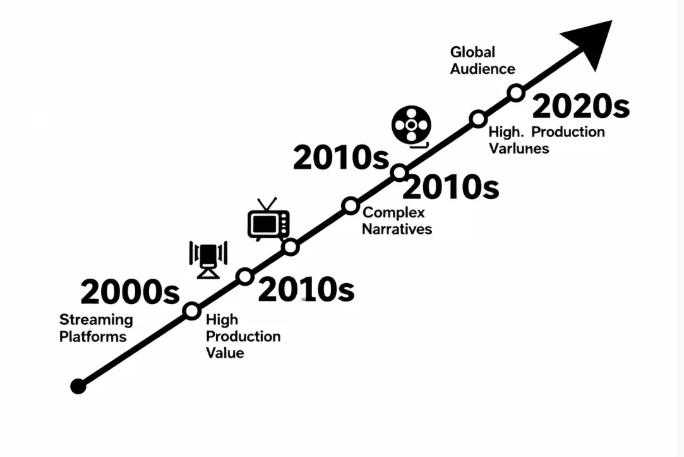
While movies continue to enchant audiences, TV series have become better at delivering the immersive, emotionally resonant, and culturally relevant experiences modern viewers seek.
We are living in a true golden age of television—a moment when episodic storytelling has not only caught up to cinema but in many ways surpassed it.