 Stylez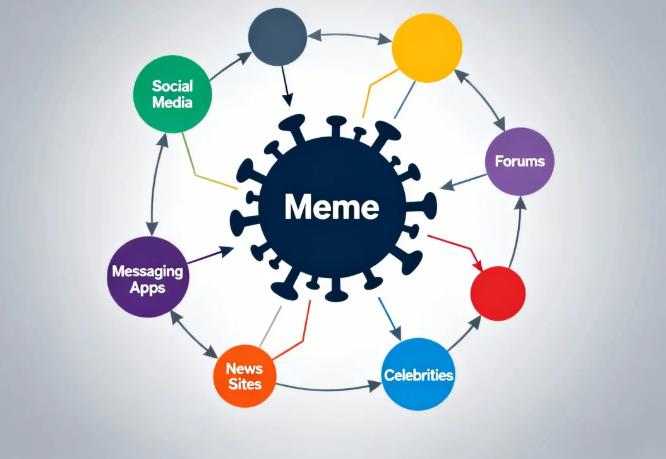
Over the last three decades, internet memes have evolved from obscure jokes shared among small online communities into one of the most influential cultural forces in Western society. What began as quirky image macros and experimental humor has transformed into a sophisticated and widely understood mode of communication. Memes are now woven into everyday interactions—appearing in conversations, advertisements, political campaigns, social movements, and public debates. Their growing presence raises questions about how humor, symbolism, and digital communication shape our understanding of the world.
Memes appear simple at first glance—an image with a witty caption, a short trending video, or a catchphrase repeated across platforms. Yet their social significance is anything but simple. Memes influence public opinion, build identity, reinforce stereotypes, challenge norms, and offer commentary on nearly every aspect of modern life. To understand their impact, we must explore their origins, their evolving forms, and the complex roles they play in Western digital culture.
The Origins and Early Evolution of Memes
Although the term meme is often associated with internet culture, its origin predates the web. Richard Dawkins introduced the word in his 1976 book The Selfish Gene, defining it as a unit of cultural transmission—a replicating cultural idea or behavior similar to a gene in biological evolution. Examples he offered included tunes, fashion trends, and common phrases that spread from person to person.
This concept maps almost perfectly onto digital culture. On the internet, ideas, jokes, and messages rapidly mutate and replicate depending on how engaging they are. As online communities grew, the meme became a core mechanism for sharing ideas.
In the 1990s and early 2000s, early internet memes emerged on forums, email chains, early blogs, and niche platforms like Something Awful, Newgrounds, and 4chan. These memes were deeply tied to small subcultures and tech-savvy groups. Classic examples included:
- the “Dancing Baby,” one of the earliest viral animations,
- “All Your Base Are Belong to Us,” a meme born from a poorly translated video game,
- “Pepe the Frog,” which started as a simple cartoon character before becoming widely remixed,
- and “Rickrolling,” an early prank that spread through email and link bait.
These early memes spread slowly by today’s standards. They required manual sharing—copying files, forwarding emails, or posting links on forums. Despite their limited reach, they laid the foundation for the memetic culture that would soon explode.
The Social Media Revolution
The rise of social media platforms in the mid-2000s radically accelerated the spread of memes. With the arrival of Facebook, YouTube, Reddit, Twitter, Tumblr, Instagram, and later TikTok, memes shifted from niche jokes to mainstream cultural artifacts.
Several key factors drove this transformation:
Accessibility of creation – As meme generators, smartphone apps, and simple editing tools emerged, creating a meme no longer required technical skills. Anyone could remix an image or video and share it instantly.
Algorithmic amplification – Social media platforms reward engagement. Because memes are short, emotion-driven, and easily shareable, they naturally perform well in algorithmic environments. A funny or relatable meme can reach millions within hours.
Participatory culture – Memes invite collaboration. Users often remix formats, add variations, or personalize templates. This collective creativity fuels rapid mutation and diversity.
The dominance of visual communication – As internet users increasingly prefer images and videos over long text posts, memes became an efficient vehicle for conveying meaning quickly.
By the 2010s, memes became embedded in nearly every corner of online culture. Brands used them to appear relatable. Politicians used them to rally supporters. Activists used them to spread messages. Gen Z and Millennials adopted memes as a native language of humor, frustration, solidarity, and critique.
Memes as a New Form of Communication
In the modern digital landscape, memes function as a powerful visual language—one that is emotional, cultural, and symbolic.
A Tool for Emotional Expression
Memes offer a concise way to express emotions that might otherwise be difficult to articulate. Users share memes to communicate irritation, exhaustion, joy, sarcasm, or existential dread. Certain memes, such as the “This Is Fine” dog or the “Distracted Boyfriend,” have become shorthand for widely recognizable feelings or situations.
This emotional efficiency is part of what makes memes so pervasive. A single meme can communicate what might take several sentences or paragraphs to express in text.
Cultural Reference Points and Shared Identity
Memes rely on shared cultural references. When people recognize a meme format—whether it references pop culture, politics, or a common everyday experience—they immediately feel part of a collective understanding. This is particularly true among younger generations for whom meme culture is a primary mode of communication.
Memes can also create micro-cultures. Online communities form around specific joke formats, fandoms, aesthetics, or interests, strengthening social bonds through shared humor.
Bridging Linguistic Boundaries
Many memes use universal visual cues—facial expressions, reaction shots, or symbolic imagery—allowing them to spread across languages and cultures. TikTok memes, for example, often rely on audio and video trends that are understood globally, even without translation.
In this sense, memes create a form of global, participatory communication that transcends linguistic barriers.
Memes in Political and Social Discourse
In recent years, memes have increasingly played roles in political messaging, ideological battles, and social movements across Europe and the United States.
Memes as Political Tools
Political campaigns and grassroots movements have recognized that memes can influence public opinion more effectively than traditional messaging. Memes simplify complex political ideas, making them easier to digest and share. During elections, memes often spread faster than official statements or news articles.
Memes also appeal to younger demographics who are less likely to consume traditional political media. They can make political messages humorous, ironic, or provocative—qualities that boost engagement online.
The Dark Side of Political Memes
However, the political use of memes also raises concerns. Memes can distort facts, oversimplify issues, or spread misinformation. Their humor can mask harmful content or normalize extreme views. Certain political groups intentionally create viral memes to manipulate online discourse.
Because memes are easy to remix and distribute, tracing their origins is extremely difficult. As a result, memes can be powerful tools not only for activism but also for propaganda.
Memes in Protests and Social Movements
Memes have been central in movements such as Occupy Wall Street, Black Lives Matter, climate activism, and various European protest movements. They provide a way for individuals to express solidarity, share frustration, and amplify messages. Memes are also used to ridicule authorities or highlight perceived injustices.
Their viral nature allows social movements to spread quickly, creating a sense of momentum and unity.
Memes, Identity, and Community
Internet memes play a significant role in shaping personal and group identities. For many, participating in meme culture is a way to signal belonging to a certain demographic, fandom, or ideological group.
Generational Identity
Memes often reflect generational outlooks. Millennials and Gen Z, in particular, use memes to express shared anxieties about economic insecurity, mental health, climate change, and political instability. Self-deprecating humor, surreal memes, and “post-ironic” content reflect a world where traditional optimism feels less realistic.
These generational expressions reinforce shared identity and mutual understanding.
Micro-Communities and Subcultures
Many meme communities form around:
- gaming culture
- anime and fandom culture
- political ideologies
- niche humor styles
- aesthetic movements (like vaporwave or cottagecore)
These communities develop their own internal “languages,” references, and humor formats. Memes act as badges of belonging and markers of in-group knowledge.
Corporate and Commercial Use of Memes
As memes became mainstream, brands and advertisers recognized their marketing potential. Many Western companies now use memes to appear relatable, approachable, and culturally aware.
The Benefits of Meme Marketing
Memes can:
- humanize brands,
- increase engagement,
- attract younger audiences,
- generate viral attention,
- and reduce marketing costs.
Companies such as Wendy’s, Netflix, and Duolingo have successfully incorporated memes into their social media strategies, often generating substantial organic reach.
Risks and Missteps
However, corporate meme usage is not always successful. When brands misunderstand a meme’s context or misuse humor, it can backfire—appearing cringeworthy or exploitative. Memes thrive on authenticity, and audiences can quickly detect when brands are trying too hard.
Memes as Art and Creative Expression
Memes have sparked debates about whether they should be considered a legitimate art form. Some scholars and artists argue that memes represent a new kind of collaborative, digital folk art.
Remix Culture
Much of meme creation involves remixing existing material—an image, video, or phrase—and modifying it for new contexts. This practice is central to digital creativity and reflects a participatory, open-source approach to art.
Aesthetic Movements Within Meme Culture
Certain meme styles have evolved into distinct aesthetic genres:
- surreal memes
- vaporwave and nostalgic retro memes
- absurdist or anti-humor formats
- minimalist reaction memes
These movements reflect broader cultural nostalgia, existential humor, or aesthetic commentary. Many contemporary artists incorporate meme styles into their visual work, blurring the line between digital humor and modern art.
Memes and Mental Health
The relationship between memes and mental health is complex. On one hand, memes can provide comfort, solidarity, and humor during difficult times. Many people find solace in memes that normalize feelings of anxiety, burnout, or depression. The shared experience reduces stigma and cultivates digital empathy.
On the other hand, certain memes can reinforce negativity or trivialize serious issues. Memes about self-harm, for example, can be harmful if they normalize dangerous behavior. There is ongoing debate among psychologists about how these forms of humor affect emotional well-being.
Nevertheless, the widespread use of mental-health-related memes suggests that people find them cathartic, relatable, and useful for expressing difficult emotions.
Misinformation, Extremism, and the Challenges of Memetic Spread
Although memes often bring joy and creativity, they can also spread harmful content. Their humor and brevity enable misinformation to travel quickly without proper context.
Misinformation and Simplification
Memes often reduce complex issues to simple binaries or exaggerated scenarios. While this makes content easily understandable, it can distort facts or promote misleading narratives. In political contexts, memes can shape public perception more effectively than long-form journalism.
Extremist Memes and Radicalization
Certain extremist groups have deliberately used memes to recruit members, spread ideology, or normalize harmful beliefs. Because memes are humorous, they can make such content appear less threatening, weakening people’s critical defenses.
Additionally, extremist memes often rely on coded language or symbolism that is difficult for outsiders to interpret, enabling communities to grow undetected.
The Challenge of Moderation
Platforms face the challenge of moderating memes without stifling creativity or free expression. Memes can be ambiguous, ironic, or heavily contextualized, making moderation extremely difficult. Visual content can also be more challenging to analyze compared to text.
The Future of Internet Memes
As digital culture continues to evolve, memes will remain central to Western communication. Several trends are likely to shape the future of meme culture:
Increased Use of AI in Meme Creation
Artificial intelligence tools now generate images, videos, and text with minimal effort. AI-generated memes are already widely circulated and may dramatically increase the speed and scale at which new formats emerge.
Further Integration Into Politics and Activism
Memes will continue to influence public debates, especially as younger generations become more politically active. Political organizations may increasingly rely on memes to shape public narratives.
Corporate Expansion and Monetization
Brands will continue to experiment with meme marketing, though the balance between authenticity and commercialism will remain fragile.
Greater Academic Interest
Scholars in fields such as media studies, sociology, linguistics, and psychology are increasingly studying memes as legitimate subjects of research. Memes offer insight into group behavior, communication patterns, and cultural evolution.
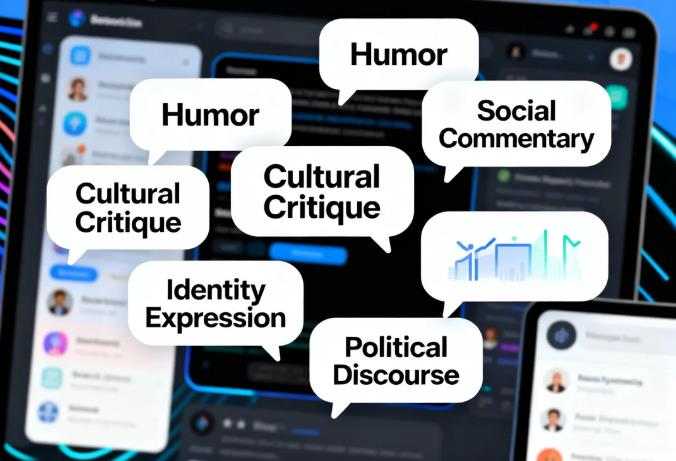
From obscure early-internet jokes to globally recognized symbols of communication, memes have become an essential part of contemporary Western culture. They influence how people express emotions, engage with politics, form identities, and relate to one another. Their strengths—speed, humor, adaptability, and shareability—make them both powerful tools for connection and potential vehicles for misinformation or manipulation.
In many ways, memes reflect the spirit of the digital age: fast-moving, participatory, ironic, and collectively created. They reveal not only what people find funny but also what they fear, value, and believe. As technology advances and online communities continue to evolve, memes will remain integral to the cultural landscape—shaping society in ways both playful and profound.