 Stylez
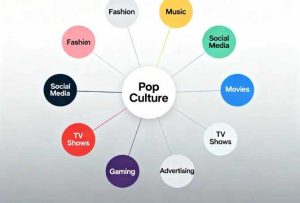
In 2025, pop culture feels simultaneously futuristic and nostalgic, hyper‑personalized yet globally connected. From entertainment and technology to fashion, music, social media, and community movements, the cultural landscape is evolving at unprecedented speed. Major shifts in how people create, consume, and interact with culture reflect broader societal changes — including technological innovation, shifting values around authenticity, and a yearning for connection in an increasingly digital world. This article explores the most talked‑about pop culture trends of 2025, highlighting how they are redefining entertainment, identity, and community on a global scale.
Artificial Intelligence as a Cultural Force
Artificial intelligence has crossed a critical threshold in 2025. What was once a tool primarily in the background of creative industries has now become a cultural protagonist in its own right. AI is reshaping everything from content creation to celebrity culture and audience engagement.
AI‑Generated Entertainment
AI isn’t just powering back‑end tools — it’s becoming a co‑creator across media. Entire songs, videos, and even narrative series are being generated or co‑authored by generative models, opening debates about creativity, authorship, and the future of art. AI models like LyricAI and CineBot are helping composers and screenwriters push creative boundaries, while AI is also being used to produce standalone content that rivals human‑only works in popularity and reach.
While AI has enriched creative processes, it also presents cultural tensions. Discussions about the “value” of AI‑generated content—especially content that crowdsources or mimics existing styles—have become mainstream topics, leading language authorities to nominate terms that reflect public attitudes toward low‑quality, mass‑produced media. Merriam‑Webster’s 2025 Word of the Year, slop, embodies this conversation about digital content proliferation, authenticity, and audience discernment.
Virtual Influencers and Identity
Alongside AI content, virtual influencers—digital personalities created entirely through software—are commanding audiences previously reserved for human celebrities. These characters engage fans, land brand collaborations, and build narrative arcs that blur the line between fiction and celebrity culture.
Their rise reflects a deeper cultural shift: audiences increasingly value interactivity, narrative immersion, and novelty. Virtual influencers open new possibilities for storytelling and community engagement while pushing questions about authenticity in the digital age.
Nostalgia Reinvented: Retro, Retro‑Futurism, and Cultural Memory
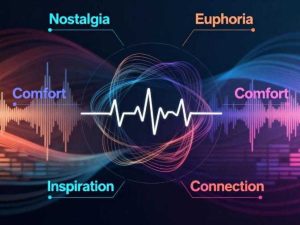
Nostalgia has always been part of pop culture, but its influence in 2025 goes beyond mere reminiscence. The past and future are merging to create new cultural aesthetics that are rooted in memory but forward‑looking in execution.
Retro‑Futurism and Style
One of 2025’s defining fashion trends is retro‑futurism — a style that combines vintage aesthetics with futuristic details. Designers are revisiting silhouettes from the 1970s, 80s, and 90s and marrying them with digital tech integration, metallic fabrics, and smart textiles that respond to environmental stimuli. This blend of old and new reflects a cultural desire to honor history while still imagining what comes next.
Retro trends aren’t limited to fashion. Collectibles, tech devices, and media franchises are all tapping into analog nostalgia. For example, classic camera brands are reentering the cultural conversation with retro‑styled digital collectibles that evoke analog photography even as they function with modern connectivity and sharing capabilities.
Entertainment and Reboots
Nostalgia’s influence extends strongly into entertainment as well. Streaming platforms continue to invest in reboots and reimagined franchises that appeal both to long‑time fans and new audiences. These creative decisions acknowledge the comfort that familiar stories provide in uncertain times, while also allowing producers to explore new cultural contexts and themes.
The Metaverse and Immersive Cultural Experiences
The concept of the metaverse — once speculative tech jargon — is now a genuine cultural ecosystem. Advances in virtual reality (VR) and augmented reality (AR) have moved these technologies into the mainstream, fundamentally changing how people socialize, shop, entertain themselves, and express identity.
New Social Spaces
VR and AR are no longer niche playthings; they are becoming part of everyday interaction. People gather in virtual spaces to attend concerts, art exhibitions, and even fashion shows. Social platforms are integrating immersive features that make digital interaction feel more tangible and dynamic. This evolution reflects a broader cultural push toward experiences that feel personal, participatory, and sensory‑rich.
Digital Fashion and Identity
In the world of the metaverse, clothing is no longer only physical. Digital fashion — virtual garments worn by avatars — is a rapidly growing segment of the cultural economy. Luxury brands and digital designers are releasing exclusive wearables that users collect and display in virtual environments, underscoring the expanding meaning of style and self‑expression.
This fusion of digital and physical self‑presentation highlights how identity in 2025 is fluid and multidimensional, informed both by online communities and real‑world subcultures.
Hyper‑Personalized Content and Interaction
One of the defining dynamics of 2025’s pop culture ecosystem is its emphasis on personalization. Algorithms are no longer only suggesting content — they are co‑creating experiences.
Personalized Narratives and Algorithms
Streaming platforms are deploying advanced systems that tailor not just recommendations, but parts of the actual content. Imagine watching an interactive show where the storyline adapts to your preferences, or listening to a music track that shifts tone based on your listening history. This trend isn’t just about convenience — it’s about making media feel more personal and responsive.
While these systems enhance engagement, they also raise questions about cultural segmentation and echo chambers. When algorithms tailor media so precisely, audiences may begin existing in increasingly isolated cultural bubbles — a dynamic that has complex implications for shared cultural experiences.
Short‑Form Visual Culture
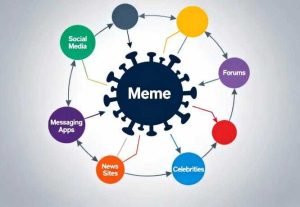
Social media’s influence on pop culture is stronger than ever as short, visually engaging content continues to dominate conversation. Platforms prioritize ultra‑short videos and bite‑sized stories, influencing not just entertainment but language, humor, and collective memory. Memes, challenges, and micro‑series with cinematic effects shape daily social feeds, often evolving from niche trends into global phenomena in a matter of hours.
Music and Global Fusion
Music in 2025 is a vibrant blend of genres, cultures, and technologies.
Cross‑Genre and Global Sounds
Dance rhythms from Afrobeat, Latin pop, K‑pop aesthetics, and electronic music converge into hybrid musical expressions that defy traditional genre boundaries. Artists collaborate across regions and cultural backgrounds, propelled by global streaming platforms and fan communities that span continents.
This fusion isn’t just a sonic phenomenon — it’s a cultural dialogue that elevates diverse voices while reshaping mainstream music tastes.
AI and Human Collaboration in Music
AI’s influence in music production is real and expansive. From AI‑assisted composition tools to AI‑generated sound design and multilingual lyric generation, artists are experimenting with new workflows that expand creative possibilities. Researchers studying AI music practices highlight how these tools are being used as co‑creative partners — rather than replacements — enabling artists to explore sonic textures and forms that were previously impractical.
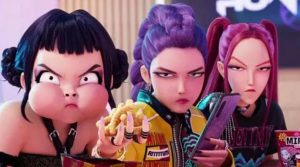
Moreover, songs from narrative phenomena like KPop Demon Hunters have transcended their original media, topping global charts and becoming emblematic of how pop culture can unify diverse fanbases across borders.
Fashion Reimagined: Sustainability Meets Self‑Expression
Fashion is no longer just about aesthetics — it has become a cultural statement rooted in identity, values, and innovation.
Sustainable Glamour
Sustainability is shaping fashion as much as feel or fit. Consumers increasingly favor ethically sourced materials, upcycled garments, and transparent design processes. Luxury aesthetics are being redefined through sustainability, merging glamorous design with responsible production practices.
This shift reflects broader cultural priorities: environmental consciousness, mindful consumption, and an expanded sense of responsibility for the world through clothing choices.
Aesthetic Diversity and Retro Revivals
While sustainability rises, nostalgia remains influential. Vintage styles are mixing with contemporary and digital fashions, creating aesthetic mash‑ups that are playful, expressive, and culturally resonant. Retro elements—such as Y2K aesthetics and 80s influences—are being reinterpreted for new contexts, often with a twist that reflects modern sensibilities and values.
The effect is a fashion landscape that feels both invented and inherited: familiar yet reimagined.
The Creator Economy: Micro‑Fame and Niche Influence
In 2025, conventional celebrity hierarchy continues to shift.
Rise of Micro‑Celebrities
Individuals with niche followings — often dubbed micro‑celebrities — are now powerful trendsetters. These creators prioritize authenticity, niche expertise, and direct engagement over polished perfection. Brands are increasingly partnering with these creators for campaigns that resonate more deeply with specific audiences, shifting cultural influence away from traditional A‑list celebrity dominance.
Micro‑celebrities reflect a cultural preference for relatability, community, and shared interests. Their influence can be profound within focused domains — whether fashion, music subgenres, creative tech, or social commentary.
The New Creator Identity
Creators are no longer just entertainers — they are interdisciplinary producers. Many launch fashion lines, publish books, host immersive events, and collaborate on mainstream media properties. This shift underscores how cultural production in 2025 is decentralized and collaborative, fueled by audience engagement rather than industry gatekeepers.
Cultural Activism and Social Consciousness
Pop culture in 2025 isn’t just entertainment — it is increasingly a platform for social activism and political expression.
Artists and public figures are using their influence to spotlight causes ranging from climate action to representation and equity. Cultural products — including music, film, and visual art — are more likely than ever to contain messages of inclusion, awareness, and advocacy.
This trend reflects a broader shift in societal values: audiences expect the cultural sphere to be responsive to pressing global issues rather than just an escape. Pop culture, in this sense, functions as both mirror and mobilizer — shaping perspectives while also inspiring action.
Immersive Entertainment: Beyond the Passive Watch
The days of passive consumption are fading. In 2025, audiences want to participate.
Interactive Storytelling
Interactive media — from choose‑your‑own‑adventure streaming series to AR‑enhanced movies — invites viewers into the narrative itself. These formats empower audiences with agency, making them collaborators in cultural experience rather than observers.
VR and Experiential Events
Live entertainment is also transforming physically. Movie theaters now offer enhanced experiences such as VR‑augmented scenes and luxury immersive showings. Concerts, once solely auditory events, now incorporate mixed reality elements that blend performance with interactive participation.
This shift toward immersive entertainment reflects a wider cultural desire: engagement over passivity, presence over observation.
Community and Niche Fandom Cultures
Pop culture in 2025 is as much about community as it is about content.
Micro‑Communities and Fandoms
While mainstream cultural products still matter, niche communities — from gaming micro‑fandoms to specialized fashion collectives — are gaining cultural capital. These communities form around shared passions and interests, often facilitated by platforms like Discord, Reddit, and other specialized forums.
Cultural identity is increasingly shaped by these micro‑communities, giving rise to unique languages, rituals, and value systems. Whether a fan community built around a specific music subgenre or a digital art collective, these groups exert cultural influence that extends far beyond their size.
A Cultural Moment Defined by Connection, Innovation, and Expression
The pop culture landscape of 2025 is rich, complex, and deeply reflective of the times. It is shaped by technological innovation, driven by community participation, and grounded in values that go beyond mere consumption. From AI‑assisted creativity and immersive experiences to sustainable fashion, global fusion music, and interactive storytelling, culture in 2025 is dynamic and multifaceted.
What unites these trends is not just novelty — it is an emphasis on connection: connection between creators and audiences, between the past and the future, and between individual identities and collective experiences. As culture continues to evolve, one thing remains clear: 2025 is not just a year of trends — it is a year of transformation.