 Stylez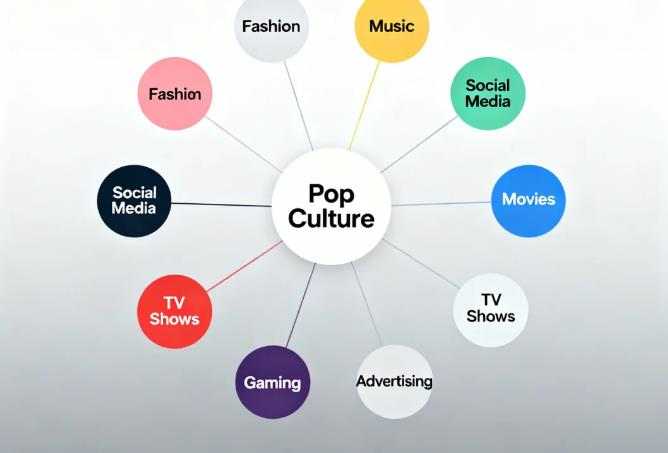
Pop culture is everywhere. It flashes across phone screens, echoes in our earbuds, influences the clothes we choose, and even shapes the way we think about ourselves and others. While the term “pop culture” might once have been dismissed as frivolous—something secondary to “serious” culture—it now drives global conversations, transcends borders, and plays a central role in how people navigate their daily lives. In the Western world, especially in the United States and across Europe, pop culture has become a dominant social force that shapes identity, behavior, attitudes, and lifestyles.
This article explores the ways pop culture informs the choices we make every day, often without us even noticing. From language and communication to fashion, consumption habits, values, and how we perceive the world, pop culture acts as a kind of living ecosystem—one that evolves constantly and influences us in countless subtle ways.
Pop Culture and Language: The New Vocabulary of Everyday Life
One of the most immediate ways pop culture affects daily life is through language. The words we use in conversation, the expressions we adopt, and even the tone of our humor are often shaped by movies, TV shows, viral videos, and memes.
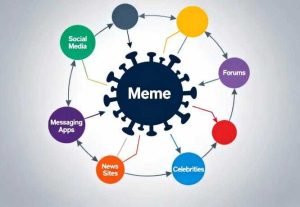
A generation ago, most linguistic influence came from television shows or hit songs. Today, a phrase can be born on TikTok or Reddit and spread across multiple countries in hours. Terms like “slay,” “I can’t even,” “no cap,” “based,” “sending me,” or “it’s giving” demonstrate how online communities and pop culture shape modern vernacular.
Memes also act as a new form of expression. People now respond to complex emotions using references from The Office, Friends, Star Wars, SpongeBob SquarePants, or Shrek. The usage of GIFs and short clips has become an alternative vocabulary—one that conveys tone, emotion, and shared cultural understanding better than a plain sentence ever could.
This phenomenon does more than entertain; it influences how we relate to one another. A shared pop culture reference instantly creates connection. If two strangers quote the same line from Game of Thrones or laugh about a trending meme, they momentarily occupy the same cultural space. Pop culture becomes a linguistic passport, granting entry to conversations, friendships, and communities.
Pop Culture as a Mirror (and Creator) of Social Values
Pop culture doesn’t just reflect society; it helps shape it.
Films, TV shows, music, and celebrity narratives can profoundly influence how people perceive identity, gender roles, activism, mental health, and relationships. For instance:
- Superhero films have reshaped mainstream ideas of courage, responsibility, and sacrifice.
- Iconic TV characters, like those in Stranger Things or Euphoria, influence discussions on adolescence, trauma, sexuality, and belonging.
- LGBTQ+ representation in shows such as Heartstopper, Pose, and RuPaul’s Drag Race has contributed to increased visibility and social acceptance.
- Pop stars like Beyoncé, Taylor Swift, Harry Styles, and Billie Eilish use their platforms to address feminism, body image, mental health, and politics.
While pop culture cannot single-handedly transform a society, it certainly contributes to broader conversations and normalizes new viewpoints. It amplifies stories that might otherwise remain unheard and offers audiences new ways to empathize with different experiences.
At the same time, pop culture also reflects the aspirations and anxieties of the societies that produce it. For example:
- The surge in dystopian narratives (The Hunger Games, Black Mirror) mirrors fears about government control, technology, and the future.
- The explosion of true crime documentaries highlights society’s fascination with justice, danger, and the unknown.
- The revival of 80s and 90s aesthetics reflects nostalgia in a fast-changing digital age.
Pop culture plays both roles simultaneously: it mirrors what society feels and molds what society becomes.
Fashion and Lifestyle Trends: From Screens to Streets
Pop culture has long influenced fashion, but the speed and scale of its influence today are unprecedented.
Thanks to Instagram, TikTok, YouTube, and celebrity-driven brand collaborations, a trend can spread instantly. Whether it’s the “clean girl aesthetic,” Y2K revival, streetwear drops, or cottagecore, lifestyle trends go viral in a matter of days.
Celebrities continue to play a major role. The “Kardashian effect,” for instance, significantly shaped beauty standards, fashion choices, and wellness trends in the 2010s. More recently, stars like Zendaya, Timothée Chalamet, and BLACKPINK have influenced everything from gender-fluid fashion to global luxury markets.
What’s new, however, is that influence is no longer top-down. Social media platforms allow ordinary users to set trends, too. A thrift hauler on TikTok or a YouTube beauty guru can spark a global phenomenon, sometimes overshadowing major fashion houses. This democratization of influence means everyday people—rather than polished magazine editors—now guide taste.
Pop culture also influences lifestyle habits beyond clothing:
- Fitness trends (e.g., Pilates, hot girl walks, home workout influencers)
- Food obsessions (matcha, avocado toast, Korean corn dogs, Stanley cups for hydration)
- Home décor styles (minimalism, soft maximalism, Scandinavian design)
These trends are not superficial. They reflect how people want to see themselves—whether aesthetic-focused, health-conscious, or socially aware.
Consumer Behavior: What We Buy and Why We Buy It
Pop culture strongly shapes purchasing decisions. A single viral moment can make a product sell out overnight. Consider:
- A skincare serum going viral on TikTok, leading to nationwide shortages.
- A song trending on Instagram Reels boosting the sales of a vinyl album.
- A Netflix series causing costume replicas, themed makeup, or toys to explode in popularity.
- A celebrity endorsement turning a small business into a global brand.
Modern consumers, especially Gen Z and millennials, shop not merely for utility but for identity. They gravitate toward brands that align with their aesthetics, ethics, humor, or values—largely determined by pop culture.
For example:
- Hailey Bieber’s “glazed donut nails” and Rhode skincare sparked a beauty trend.
- Beyoncé’s Ivy Park collaborations generated hype-driven “drops.”
- Shows like The Queen’s Gambit contributed to a surge in chess sales.
- Barbie (2023) revitalized pink-themed fashion, décor, and feminist conversations.
Pop culture also blends with technology to shape consumption:
- Algorithm-driven recommendations influence what we watch, read, and buy.
- Influencer marketing impacts tastes more than traditional advertising.
- Virtual celebrities and AI-generated influencers are rising, challenging ideas of authenticity.
The result is a feedback loop: pop culture shapes consumers, who in turn reinforce pop culture.
Technology, Social Media, and the Acceleration of Culture
Technology is not just a vehicle for pop culture—it is part of pop culture itself.
Streaming platforms like Netflix, Spotify, and Disney+ determine what becomes popular by how they promote content through algorithms. TikTok revolutionized music discovery, turning unknown artists into global stars overnight. Video games like Fortnite, Minecraft, and The Sims have become cultural ecosystems with their own fashion, music, and social gatherings.
The speed of cultural change has increased dramatically. Decades ago, trends lasted years. Now, a micro-trend may last a week. This accelerated cycle influences daily behaviors, from how often people refresh their wardrobes to how they seek entertainment or information.
Technology also shapes social behavior:
- The rise of short-form content changes attention spans and communication styles.
- Fandom communities take on new forms, organizing online and sometimes impacting real-world media decisions.
- Digital personas on Instagram or TikTok become part of modern identity construction.
In effect, technology creates an always-on cultural environment that users participate in every day.
Identity, Representation, and Belonging
Pop culture profoundly affects how people see themselves.
Representation in media influences:
- Self-esteem
- Aspirations
- Feelings of belonging
- Awareness of one’s cultural or gender identity
For many marginalized groups, seeing someone like themselves in mainstream media can be transformative. Representation matters because it signals that one’s existence is acknowledged and valued.
Fandoms also provide belonging. Whether it’s Marvel enthusiasts, Swifties, football club supporters, or anime fans, pop culture offers communities where people feel understood. For many individuals—especially young people—these spaces provide emotional support and social identity.
Yet identity shaped by pop culture is not always positive. Unrealistic beauty standards, curated lifestyles, and influencer culture sometimes create pressure and comparison. Recognizing both the benefits and the drawbacks is essential.
Pop Culture as a Global Exchange
One of the most fascinating aspects of modern pop culture is its global nature.
K-pop influences fashion and dance across Europe and North America. Hollywood films dominate worldwide box offices. Anime and manga shape aesthetics and storytelling globally. European DJ culture influences American nightlife. Latin pop, reggaeton, and Afrobeat dominate global charts.
Pop culture becomes a shared language across borders.
This cultural exchange increases understanding, curiosity, and connection between people from different backgrounds. It breaks barriers but also raises questions about cultural appropriation, commercialization, and authenticity. Nevertheless, global pop culture continues to shape daily life through hybrid identities, blended aesthetics, and multicultural conversations.
The Psychological Dimension: Escapism, Coping, and Meaning
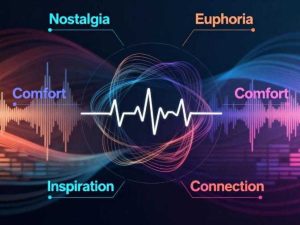
Pop culture is also a coping mechanism.
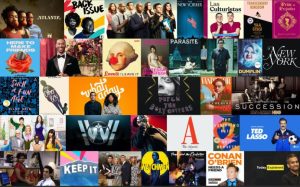
People use fictional worlds, music, games, or celebrities to navigate stress, loneliness, or uncertainty. During the COVID-19 pandemic, global streaming surged; people turned to comfort shows like Friends, The Office, and Parks and Recreation to feel stability.
Pop culture provides:
- Distraction
- Comfort
- Emotional resonance
- Hope
- A sense of continuity
This psychological dimension highlights that pop culture is not trivial—it is intertwined with human emotional needs.
Criticisms and Challenges
While pop culture enriches daily life, it also faces criticisms:
- Overconsumption fueled by trends can promote wastefulness.
- Algorithmic bubbles reinforce bias and limit exposure to diverse perspectives.
- Celebrity culture can distort values or encourage unrealistic lifestyles.
- Short-lived trends create constant pressure to keep up.
- Commercialization can overshadow genuine artistic expression.
Understanding these challenges allows individuals to engage with pop culture more mindfully rather than passively absorbing its influence.
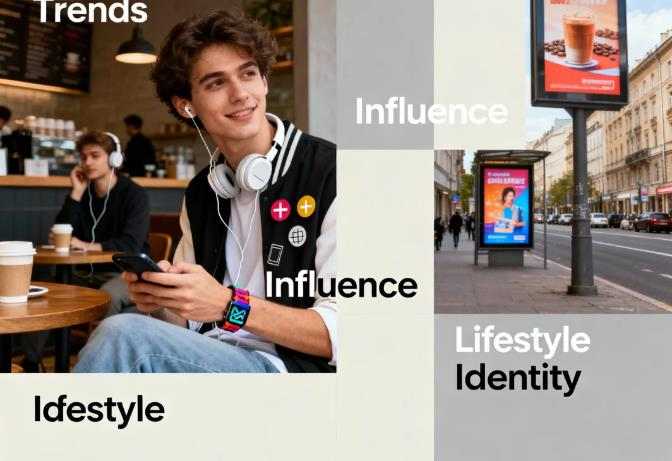
Are We Shaping Pop Culture—or Is It Shaping Us?
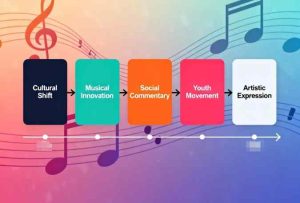
Pop culture is not a separate realm from everyday life—it is everyday life. It influences how we speak, think, dress, and consume. It shapes our values, identities, and relationships. It gives us joy, community, and creative expression, while also challenging us to think critically about what we accept and admire.
Perhaps the most intriguing question is whether we are shaping pop culture or whether pop culture is shaping us. The truth is both. We influence the trends we embrace, the shows we watch, and the movements we support. But pop culture, fueled by technology and global connectivity, also guides our aspirations, behaviors, and dreams.
In an interconnected world where a meme can change the way millions communicate and a song can define an era, pop culture remains one of the most powerful forces in shaping daily life. Understanding its influence—both its magic and its pitfalls—allows us to navigate it with awareness, creativity, and intention.