 Stylez
How five iconic records shaped culture, shifted sound, and influenced millions.
Every generation has its own soundtrack — a collection of songs and albums that become more than just music. They transform into cultural markers, historical timestamps, and emotional touchstones. They define how a generation sees the world, how they express themselves, and how they dream.
Some albums become best-sellers, others become cult classics, but only a rare few transcend commercial success to shape the identity of an entire era.
This article explores five groundbreaking albums — each from a different time period, each reshaping the musical landscape, and each leaving echoes that still resonate today. These albums didn’t just entertain; they shifted conversations, challenged norms, and inspired new movements in fashion, technology, politics, and cultural expression.
While many records have influenced millions, the following five stand out for their unmistakable impact on Western culture and their lasting legacy across the global music scene.
The Beatles — Sgt. Pepper’s Lonely Hearts Club Band (1967)
Genre: Psychedelic Rock, Pop
Generation Impacted: Late Baby Boomers & Early Gen X
Why It Defined a Generation: It redefined what an album could be.
Few albums in history carry a legacy as monumental as Sgt. Pepper’s. Released in 1967 during the “Summer of Love,” it was more than a collection of songs — it was a cultural awakening. By the mid-1960s, The Beatles had already become a global phenomenon, but Sgt. Pepper’s pushed their artistry into uncharted territory.
The album that reimagined music as art
At a time when most albums were simply vehicles for singles, Sgt. Pepper’s was conceived as a unified artistic statement. It offered seamless transitions between tracks, experimental arrangements, and the concept of an imaginary band performing for an audience. This approach inspired generations of musicians to think of albums as immersive experiences rather than collections of hits.
A cultural reflection of the psychedelic era
The record’s surreal imagery, bold instrumentation, and innovative studio techniques captured the counterculture spirit of the late 1960s. Young people searching for identity and freedom connected deeply with this new sonic landscape.
Long-term influence
- Paved the way for concept albums.
- Influenced the evolution of rock, pop, and progressive music.
- Elevated music production into a respected art form.
Sgt. Pepper’s wasn’t just influential — it helped define the imaginative, rebellious, boundary-breaking ethos of its generation.
Michael Jackson — Thriller (1982)
Genre: Pop, R&B, Funk
Generation Impacted: Gen X
Why It Defined a Generation: It transformed pop music into a global, multimedia event.
When Thriller debuted in 1982, it didn’t just break records — it broke boundaries. Michael Jackson took pop music, amplified it with cinematic storytelling, and delivered it to a global audience through the power of emerging media.
The birth of pop superstardom as we know it
Prior to Thriller, no artist had merged music, fashion, choreography, and film into an interconnected brand. Jackson became not just a musician, but a cultural icon transcending racial and geographic barriers.
MTV, still relatively young, became the perfect stage. Jackson’s short films for “Thriller,” “Beat It,” and “Billie Jean” transformed the network and made music videos a central part of global pop culture.
The album that symbolized the 1980s
The themes — ambition, fear, desire, and individuality — mirrored the complexities of the decade. The synthesizers, groove-heavy basslines, and sharp production defined 80s sound aesthetics.
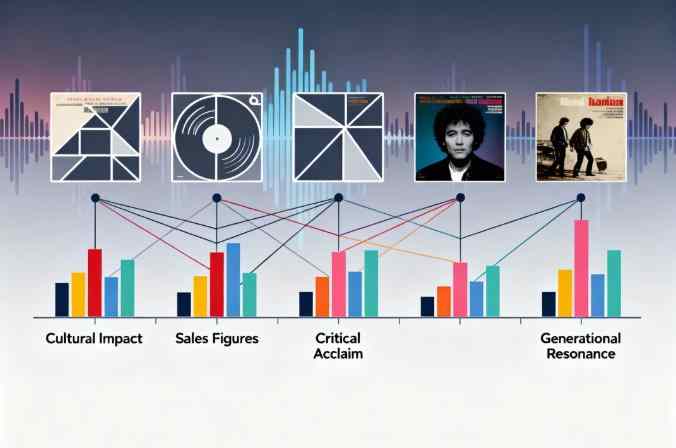
Long-term influence
- Established music videos as essential promotional tools.
- Shaped pop, R&B, and dance music for decades.
- Inspired generations of artists across genres from Usher to BTS.
Thriller remains the best-selling album of all time, not just because the songs are unforgettable, but because it reinvented what pop culture could look and feel like.